In 2014, NSF invested $64 million in the program that supports the development of highly qualified technicians for careers in advanced technology fields such as nanotechnology, cybersecurity, photonics and information technology. The two-year college educators, who generally lead the initiatives, are expected to partner with industry and other education sectors as they develop model programs for students and professional development for faculty.
With the goal of developing a diverse population of creative problem solvers, “science evangelist” Ainissa G. Ramirez sees the role of STEM educators as “awakening the inner scientist” in all students.
“We need creative problem solvers because of the range of problems that require STEM (science, technology, engineering and math) solutions,” she said in her keynote address Wednesday at the opening of the Advanced Technological Education(ATE) Principal Investigators Conference in Washington, D.C.
Calling community colleges one of the “last bastions of democracy,” Ramirez, whose parents attended community colleges, likened the promise that two-year public colleges make to their students to the words inscribed on the Statue of Liberty.
Do you or a faculty member have an idea for improving a STEM technician program but are unsure how to fund it? The Mentor-Connect‘s leadership development and outreach initiative could provide the help you need.
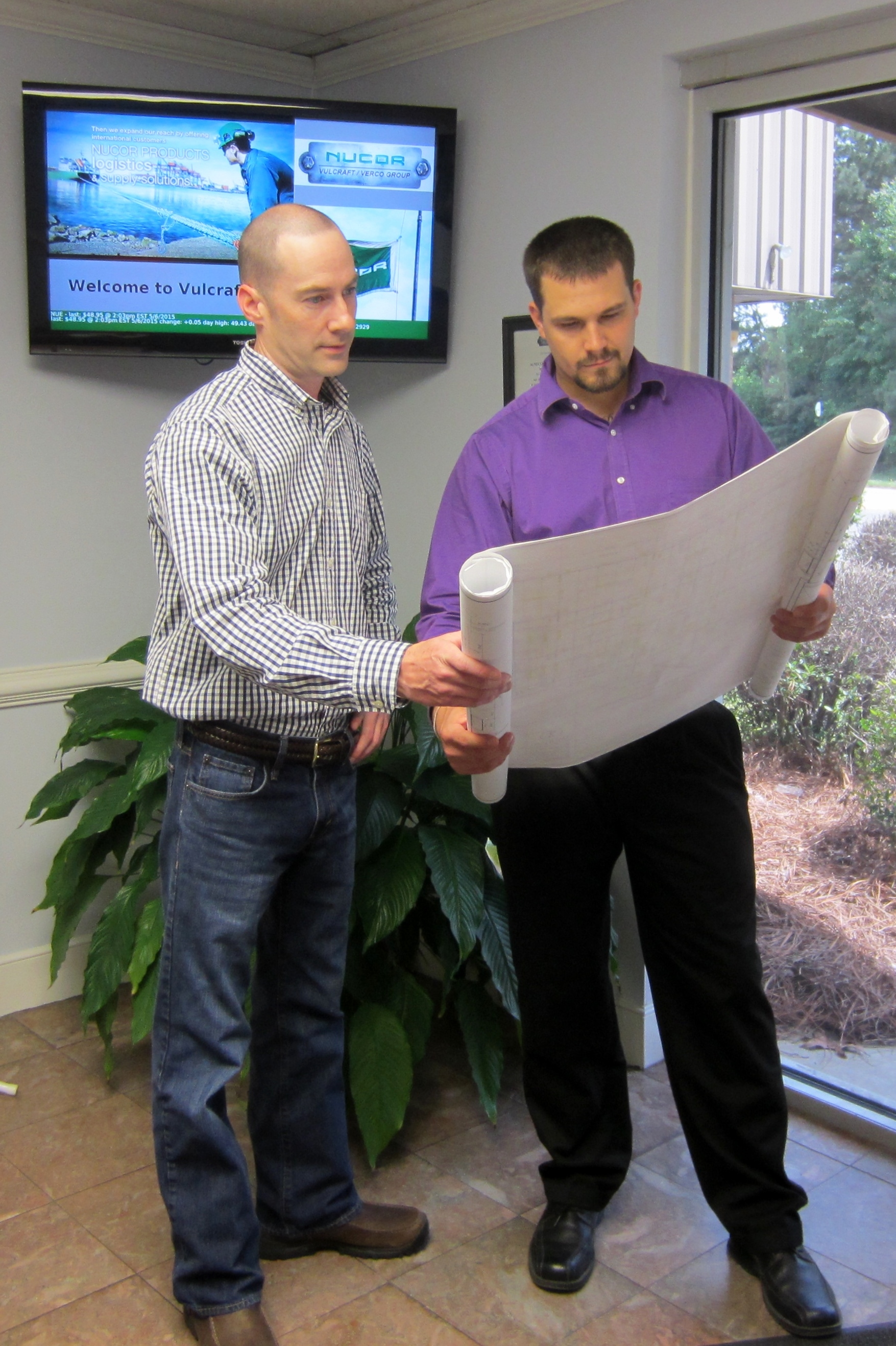
Mark Jones, drafting supervisor at Nucor Vulcraft-SC (left), with Dean Mann, a 2015 graduate of Florence-Darlington Technical College hired by the steel company at the end of his internship.
Nucor Vulcraft-SC Drafting Supervisor Mark Jones likes the combination of technical skills and behavioral attributes he sees among the technicians graduating from his alma mater, Florence-Darlington Technical College (FDTC).
His department just made full-time job offers to two of the four FDTC students who interned in the Drafting Department at Nucor Corporation’s Florence, South Carolina, facility this spring.
Jones, who earned a civil engineering technology associate degree from FDTC in 1996, and this spring’s Nucor interns were all taught with the problem-based curriculum that the South Carolina Advanced Technological Education Center (SC ATE) at FDTC refined and disseminated with support from National Science Foundation’s Advanced Technological Education program. SC ATE’s curriculum uses a just-in-time format that blends academic core courses and hands-on technical skills with instruction about self-management and teamwork that many employers call soft skills.
“When we hire those students coming out of Tech, with two-year associate degrees, they have a really great foundation to start building on. It really shows through,” Jones said.


 educators as “awakening the inner scientist” in all students.
 leadership development and outreach initiative could provide the help you need.